LSD
LSD vs Mushrooms
May
LSD vs Mushrooms
LSD vs Mushrooms, Lysergic acid diethylamide, also known as acid or LSD, is a psychoactive chemical compound commonly used as a recreational drug. LSD is typically man-made from ergot fungi, a mold found on rye bread and other grains.[1]
Once synthesized, LSD becomes a white or crystalline substance resembling a rock-like appearance. However, due to its potency, acid is typically diluted into a liquid form.
When ingested, LSD binds to the brain’s serotonin receptors and alters neural pathway activity throughout the cells. As a result, small doses of LSD can cause minor changes in mood, thought, and perception. Larger quantities of LSD may induce more psychedelic side effects, such as intensely vivid hallucinations and distorted perception of identity, time, and space.
Is LSD addictive?
Yes, while LSD is rarely physically addictive, it can be psychologically addictive. Many cases have shown that regular recreational use of LSD can lead to behavioral addiction or psychological dependence.
Many people can become addicted to the hallucinations they experience and build a psychological dependence over time. Additionally, repeated use can result in drug tolerance, causing users to consume larger doses to attain the same hallucinogenic effects of their previous encounters.
Can you overdose on LSD?
Yes, it is possible to overdose on LSD. Despite the fact that deaths due to LSD overdose are rare. The substance affects each person differently, and it is unclear how much LSD would be enough to cause someone to overdose.
In one case, a 15-year-old female accidentally ingested more than 1,000 micrograms at a party and needed to be hospitalized overnight after exhibiting erratic behavior.[2] At the same party, a 26-year-old woman also accidentally ingested 500 mcg of LSD and experienced no adverse effects.
What Are Hallucinogenic Mushrooms or Shrooms?
Magic mushrooms, or “shrooms” are wild mushrooms that contain psilocybin, a naturally occurring psychoactive compound.[3] These mushrooms are commonly found in the tropical and subtropical regions of South America, Mexico, and the United States.
Psilocybin mushrooms have long, slender stems topped by caps with dark gills on the underside. Once they are digested, the psilocybin in the fungi is broken down into psilocin, which interacts with the serotonin receptors in the brain and initiates the drug’s calming, psychedelic effects.
If taken in large quantities, these fungi can produce opposite reactions, such as anxiety, fear, paranoia, and hallucinations.
Are mushrooms addictive?
Psilocybin mushrooms are not considered physically addictive and rarely lead to compulsive use. However, some users grow accustomed to the hallucinations and mind-altering effects of psilocybin, resulting in increased consumption and tolerance. Eventually, regular psilocybin use can lead to a psychological dependency on the drug, making it easier to develop a substance use disorder.
Can you overdose on mushrooms?
Although psilocybin mushrooms have low toxicity, it is possible to overdose on the drug after consuming large amounts. In most cases, psilocybin overdoses lead to adverse physical and mental effects, usually categorized as a “bad trip.” Depending on the user, a psilocybin bad trip can last between 6-8 hours, but some effects may linger for several days before they finally fade.
LSD Vs. Mushrooms: Understanding The Differences
Despite the fact that both psychedelics are derived from fungi, psilocybin mushrooms are produced naturally, while LSD is synthetically created. Due to their different compositions, LSD and shrooms also differ greatly in their side effects and overall influences on the body.
Side Effects of LSD
The side effects of LSD are unpredictable and can vary depending on the person’s experience with the drug.[4] In many instances, these side effects consist of various mental and emotional changes, such as:
- Impaired perception of depth
- Fear of death
- Anxiety
- Paranoia
- Delusions
- Panic attacks
- Depression
LSD can also affect your central nervous system and lead to an increase in monosynaptic reflexes, muscle tension, and muscular incoordination. Although these issues are rare, the odds of them occurring can increase with repeated use.
Side Effects of Mushrooms
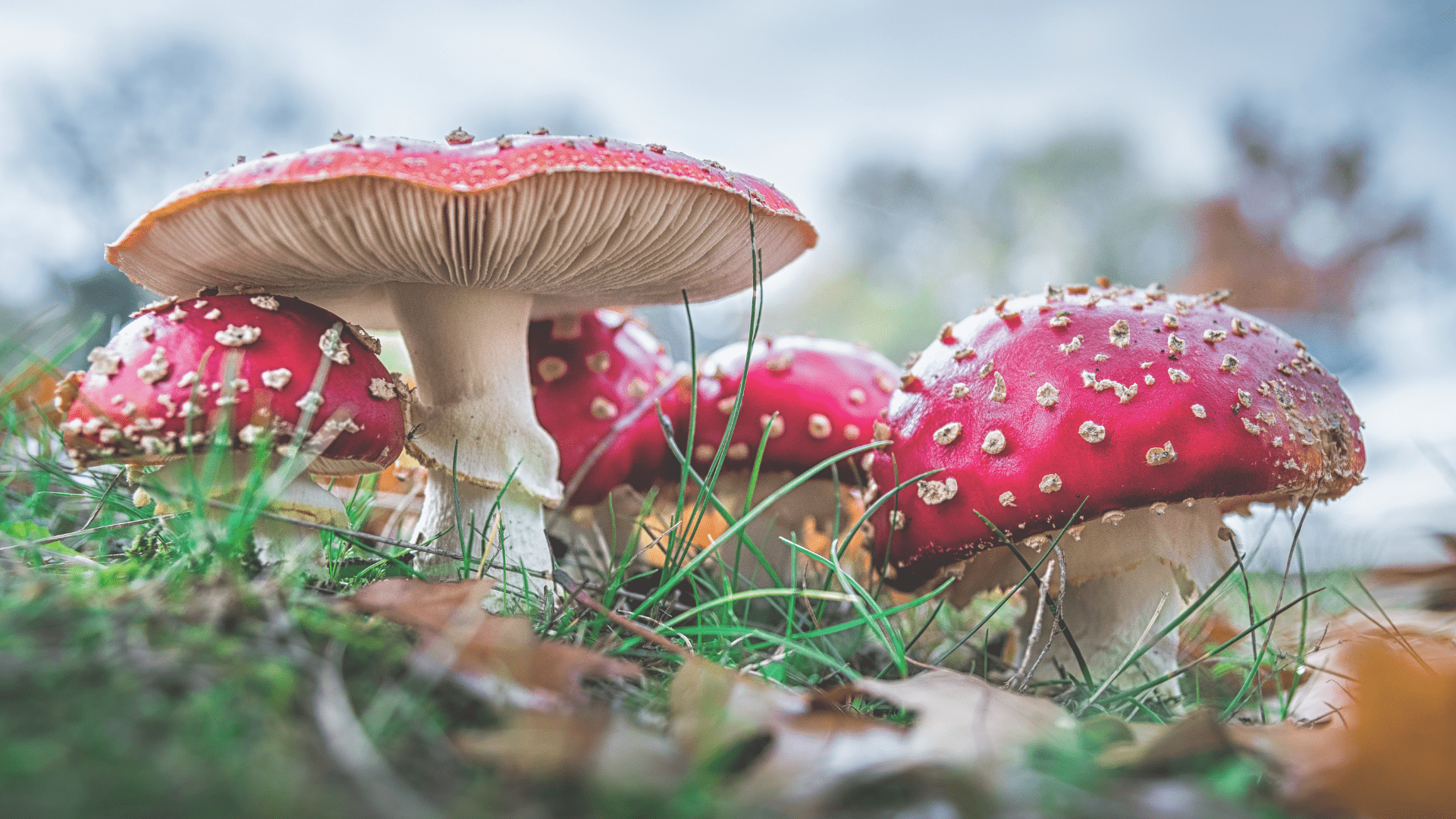
Similar to LSD, psilocybin mushrooms have not been shown to cause extensive physical damage after use.[5] Psilocybin can cause users to experience serious side effects, such as:
- Headaches
- Nausea
- Dizziness
- Difficulty breathing
- Fainting
- Confusion
Excessive consumption of psilocybin mushrooms can cause behavioral issues such as aggression, violence, and risky behavior. In an LSD survey conducted by John Hopkins University, 10.7% of respondents recalled putting themselves or others at risk for physical harm during their bad trip. [6]
Different Avenues of Use
Despite both LSD and magic mushrooms providing similar hallucinogenic effects, the two drugs differ greatly in terms of how they’re used.
In most cases, fresh or dried shrooms are eaten raw but can also be mixed with food and drinks. Some users even brew psilocybin mushrooms in tea or coat them with chocolate to disguise the taste and presence of the drug.
Due to its high potency, LSD is typically broken down and mixed with other substances, making it available in various forms. As a result, LSD is commonly found in capsules, tablets, gelatin sheets, blotted paper, and liquid droppers.
Different Health Risks
Both LSD and psilocybin mushrooms can pose serious short-term health issues for some people after use, such as:
- Increased blood pressure
- Rapid heart rate
- Tremors
- Numbness
- Impaired judgment
If you use antidepressants, such as SSRIs, ingesting LSD and psilocybin can also cause the body to produce abnormally high levels of serotonin. This can lead to serotonin syndrome, which can cause various symptoms such as:
- Confusion
- Irritability
- Fever
- Diarrhea
- Muscle spasms
While most psychedelic effects associated with LSD and psilocybin are usually temporary, some users may experience flashbacks of past trips for weeks and even years after use. This condition is known as hallucinogen-persisting perception disorder (HPPD). Though the condition is usually rare, regular LSD and mushroom users have a greater chance of experiencing HPPD if they have pre-existing mental disorders.
Can you mix LSD and mushrooms?
You should never mix LSD and mushrooms in any setting, especially during recreational use. Due to each drug’s potency, it can be difficult to determine a safe dosage for a person’s body composition. Combining LSD with psilocybin may increase your chances of experiencing a bad trip or an overdose.
Treatment For LSD and Mushroom Misuse or Addiction
If you’ve become dependent on LSD or psilocybin mushrooms, don’t wait until a bad episode occurs to get treatment. Joining an NYC drug rehab program can provide a safe environment for you to recover and overcome your dependency.
Once you’re admitted, detox professionals will help you transition to sobriety and address any emotional or mental difficulties that may occur from abstinence. They can provide individual and group therapy sessions to help strengthen your recovery. Intensive outpatient programs are also available, offering flexible treatment options that allow you to continue with daily responsibilities while receiving comprehensive care. After treatment, our addiction treatment center professionals will provide you with a follow-up plan for post-treatment to help you stay committed to sobriety.
!
